
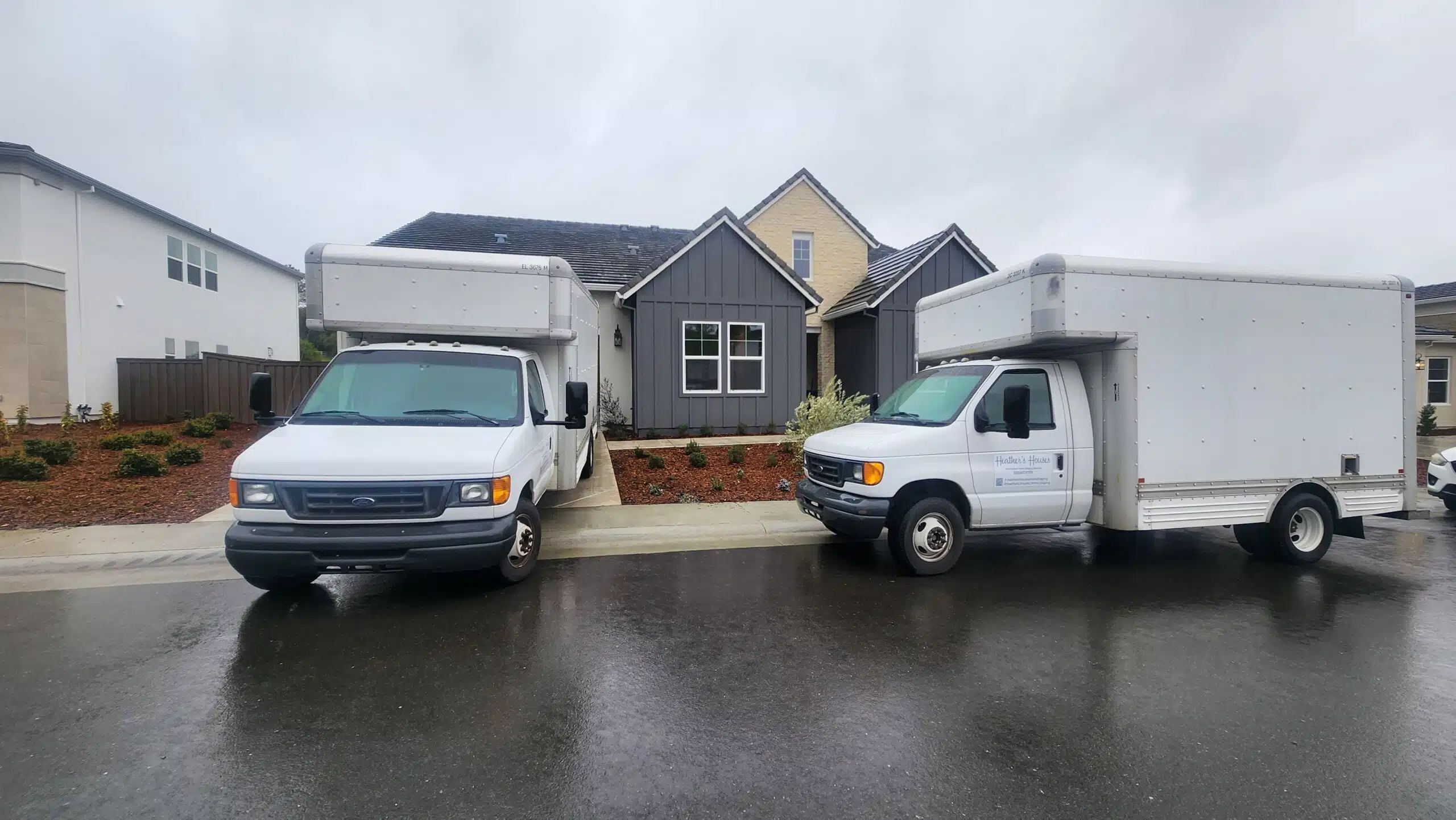
When a new home is completed, the next challenge is attracting buyers. While quality construction and desirable locations are critical, how a home is presented can make all the difference. For builders, the question often arises: should staging be handled as a do-it-yourself effort, or is it worth investing in professional services?
The answer depends on the builder’s goals, resources, and target audience. Staging is more than simply arranging furniture—it’s a marketing strategy. Whether through new construction staging and design or full-service staging companies, the choice between professional and DIY approaches can significantly influence how quickly a property sells and at what price.
The Value of Professional Staging
Professional staging is designed to maximize buyer appeal. Experienced stagers know how to emphasize a property’s strengths, create emotional connections, and avoid common mistakes. They specialize in everything from model homes design to full showcase home services, tailoring each property to the market and target demographic.
Builders who invest in professional staging benefit from:
- Cohesion and flow: Every room complements the next, creating a seamless buyer experience.
- Proper scale and placement: Furniture is chosen to enhance a room’s dimensions rather than overwhelm or underwhelm.
- Neutral but aspirational style: Décor appeals to a wide range of buyers while still inspiring a lifestyle vision.
- Faster sales: Professionally staged homes consistently sell more quickly than vacant or poorly staged homes.
For developers carrying multiple properties, professional staging can reduce the costs associated with long listing times and standing inventory.
The DIY Approach
Some builders may choose to handle staging in-house as a way to save money. This often involves purchasing basic furniture, using minimal décor, and attempting to replicate a lived-in look.
While DIY staging can make a difference compared to leaving a home empty, it has limitations. Without training, it’s easy to make mistakes such as overcrowding rooms, choosing mismatched décor, or overlooking the details that influence buyer psychology.
DIY staging may work for smaller projects, but for competitive markets, it often falls short of creating the polished presentation that today’s buyers expect.
Weighing Costs vs. Return
The main reason builders attempt DIY staging is cost savings. However, staging should be seen as an investment rather than an expense. While professional staging requires upfront spending, the return often comes in the form of quicker sales and stronger offers.
For example, spec home staging can help unsold properties stand out, reducing the risk of price reductions. Similarly, standing inventory staging services refresh homes that have lingered on the market, turning them into opportunities rather than liabilities.
In contrast, a poorly staged home—whether DIY or vacant—may require deeper discounts to sell, costing builders more in the long run.
Demonstration Homes and Showcase Properties
Builders also need to consider the role of demonstration home staging and showcase properties. A demonstration home serves as a model for the entire development, showing potential buyers the possibilities of each floor plan. A showcase home goes even further, incorporating residential developer staging solutions to create a premium lifestyle experience.
These properties often serve as the anchor for a development, drawing buyers in and setting expectations for all available homes. In these cases, professional staging is especially valuable. A poorly executed DIY effort may not convey the level of quality and vision that developers want associated with their brand.
When DIY Might Be Enough
There are situations where DIY staging can be appropriate. Smaller homes with straightforward layouts may not require as much customization. If the target audience is highly budget-conscious, simple staging may be sufficient to provide clarity about room function and scale.
Builders who have an eye for design or access to in-house resources may also be able to achieve acceptable results on their own. However, these cases are the exception rather than the rule.
Local Market Expectations
Buyer preferences vary depending on location. In Northern California, for example, open floor plans, functional outdoor living spaces, and multi-use rooms are highly sought after. For builders in these areas, staging should highlight those features to align with buyer priorities.
That’s why builders can benefit from Effective Staging Strategies for Placer County Builders. By tailoring staging to regional lifestyles, developers can ensure their properties appeal directly to the needs and expectations of local buyers.
Building Long-Term Reputation
Beyond immediate sales, staging choices also impact a builder’s reputation. A professionally staged property sends a clear message about attention to detail and commitment to quality. Buyers who view a polished showcase home are more likely to associate the developer with excellence, which can influence sales in current and future projects.
Staging companies for real estate developers understand the importance of aligning staging not just with a single home, but with the builder’s brand image as a whole. DIY staging, while functional, often lacks this strategic foresight.
Making the Right Choice
Ultimately, the decision between DIY staging and professional staging depends on the builder’s priorities. If the goal is to minimize upfront costs, DIY may seem appealing. However, for builders looking to sell homes faster, maximize returns, and strengthen their market presence, professional staging is usually the smarter investment.
Whether through new construction staging and design, showcase home services, or residential developer staging solutions, professional support ensures every property is presented at its best.
Final Thoughts: Investing Wisely in Staging
Staging is one of the most effective tools available to residential developers. While DIY staging may work in limited cases, professional staging consistently delivers stronger results, faster sales, and better buyer impressions.
By choosing professional staging services for home builders, developers are making a strategic investment in their projects and their brand. From spec home staging to standing inventory staging services, the right approach ensures homes don’t just sell—they sell with impact.
If you’re ready to explore staging strategies that fit your development goals, call 530-887-9709 or send a message through the website today. The right staging choice could be the key to your next successful sale.

Ready To Elevate Your Property’s Presentation And Sell?
Contact Heather’s Houses today and experience the power of our expert home staging services. Whether you’re a realtor or homeowner in the Greater Sacramento area, our dedicated team is here to tailor innovative solutions to your specific needs. Don’t miss out on the opportunity to maximize the appeal and value of your property. Reach out to Heather’s Houses now and unlock the full potential of your space.


